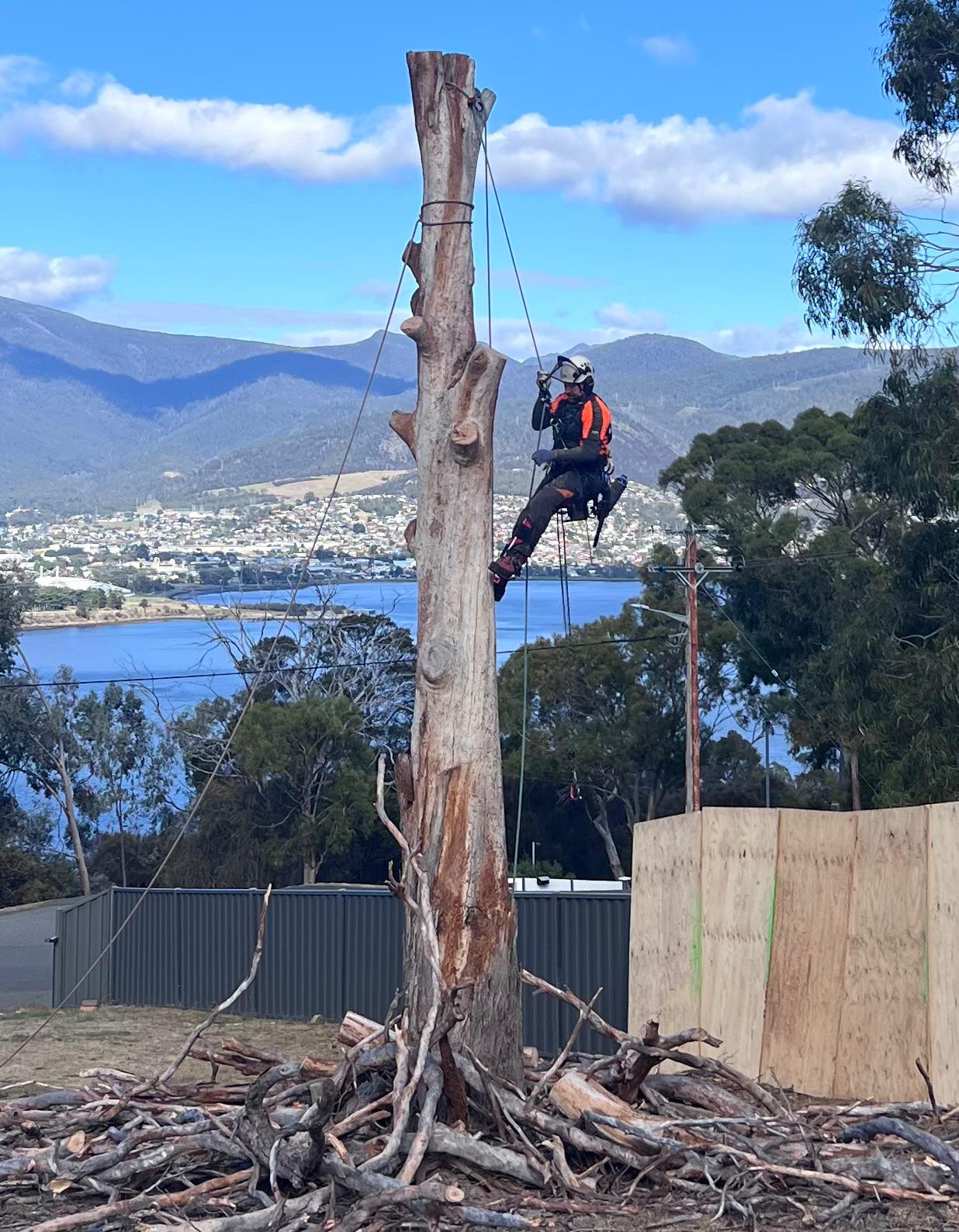
Owning a rural property near Hobart comes with many benefits. You may have more space, better privacy, mature trees, open views, and a stronger connection to the land.
However, rural trees often need a different level of care compared with trees in small suburban gardens. Larger blocks, steep slopes, strong winds, difficult access, dense vegetation, and changing weather conditions can all affect tree health and property safety.
Good tree maintenance helps protect your home, sheds, fences, access roads, livestock areas, gardens, and power connections. It also helps keep valuable trees healthy for many years.
This guide shares practical tree maintenance tips for rural properties near Hobart, with a focus on safety, long term planning, and local conditions.
Rural properties often contain many different types of trees. Some may be old native trees, while others may be shelter trees, fruit trees, ornamental trees, or trees planted near boundaries and driveways.
Because rural blocks are larger, tree problems can be harder to notice. A damaged limb may stay hidden until strong winds arrive. A tree near a shed may slowly develop a lean. Dense growth may also increase fire risk or block access for emergency vehicles.
A clear tree maintenance plan helps you deal with problems early instead of waiting for an urgent situation.
The first step is to inspect trees near important structures.
Pay close attention to trees near:
Trees near these areas should be checked more often because falling limbs or tree failure can cause serious damage.
Look for dead branches, cracks, leaning trunks, exposed roots, weak branch joins, and signs of decay.
Access is especially important on rural properties near Hobart. Long driveways, narrow tracks, steep land, and low branches can create problems for cars, trailers, service vehicles, and emergency crews.
Tree maintenance around rural access roads may include:
Practical Tree Maintenance Tips for Rural Properties Near Hobart
A good maintenance plan should focus on tree health, property safety, access, and local weather conditions.
Regular tree assessments are one of the best ways to manage a large rural property.
A professional assessment can identify:
Older trees and trees in exposed locations may need more frequent checks.
It is also wise to arrange an inspection after severe weather, strong winds, heavy rain, or ground movement.
Deadwood is common in mature trees, especially on large rural blocks where trees may not have been maintained for many years.
Dead branches can fall without much warning. They may damage roofs, fences, machinery, vehicles, or livestock areas.
Professional deadwooding can help:
Deadwood removal is especially important near homes, sheds, tracks, gates, and regular walking areas.
Tree pruning should not only be used to make trees look neat. On rural properties, careful pruning can help improve structure and reduce future risk.
Professional tree pruning may include removing:
Correct pruning helps trees grow in a safer and more balanced way.
Poor cuts or heavy removal can weaken a tree, so larger pruning work should be carefully planned.
Not every large tree needs to be removed.
Tree reduction can be a useful option when a tree has become too large for its location but still has good health and value.
A tree reduction may help:
This can be useful for mature trees near rural homes, sheds, driveways, and boundary areas.
Many rural properties around Hobart include sloping or uneven land.
Trees on slopes may face extra pressure from soil movement, erosion, poor drainage, or exposed roots. Heavy rain can also change ground stability around larger trees.
Watch for:
Trees on slopes may also be harder to access. This is where specialist equipment and careful planning become important.
Trees near power lines need special care.
Branches that grow too close to power lines can increase the risk of outages, electrical hazards, and fire.
Never try to cut branches near live power lines yourself.
Professional power line clearance can help maintain safe space around electrical services while reducing unnecessary damage to the tree.
Regular checks are especially important for fast growing species and trees exposed to strong winds.
Fire risk management is a major part of rural tree maintenance near Hobart.
Trees can provide shade, habitat, and protection from wind, but unmanaged vegetation can also increase fuel around buildings and access routes.
Dry branches, fallen limbs, heavy leaf build up, and dense undergrowth can increase fire fuel.
Priority areas include:
Rural access routes should remain wide enough and high enough for emergency and service vehicles.
Low branches, fallen trees, and overgrown vegetation can make access difficult during urgent situations.
Crown lifting and roadside pruning can improve:
This work should be planned before fire season or severe weather, not after access has already become blocked.
Fire risk reduction should be balanced with soil health, wildlife habitat, erosion control, and property appearance.
Removing too many trees or shrubs at once can expose soil, increase wind, and affect slope stability.
A staged approach is often better. This allows high risk material to be managed while keeping useful trees and vegetation where possible.
Rural properties often face problems that develop slowly over time.
Trees may have been planted many years before nearby sheds, extensions, fences, or driveways were built.
As trees grow, branches and roots may begin to affect these structures.
Early pruning or reduction can sometimes manage the problem before removal becomes necessary.
Shelter trees are useful for reducing wind, but older rows may become weak, crowded, or uneven.
When one tree is removed, nearby trees may suddenly become more exposed to wind.
Shelter tree management should be planned carefully, especially when several trees are involved.
Large trees can block sunlight from homes, gardens, solar panels, and work areas.
Tree thinning, crown lifting, or selective reduction may improve light without removing the whole tree.
Trees in remote parts of a property may be checked less often.
This can allow deadwood, storm damage, disease, or root problems to develop unnoticed.
A yearly property walk can help identify changes before they become expensive or dangerous.
Tree maintenance for rural properties near Hobart is about more than appearance. It plays an important role in property safety, fire risk reduction, access, tree health, and long term land management.
Regular tree assessments, careful pruning, deadwood removal, crown lifting, tree reduction, branch chipping, and planned tree removal can all help keep a rural property safer and easier to manage.
The best results usually come from dealing with tree problems early. A clear maintenance plan can reduce urgent work, protect valuable trees, and help you care for your land with confidence.
Drop us a line with a few details of your job!

Hobart, Tasmania, Australia

0488 065 065

We offer a 24 hr / 7 days a week service and are also here to assist you with any tree or storm emergencies.
.webp)
© 2025 Tree Guy Tasmania. All rights reserved
Designed by Sobin Sebastian